
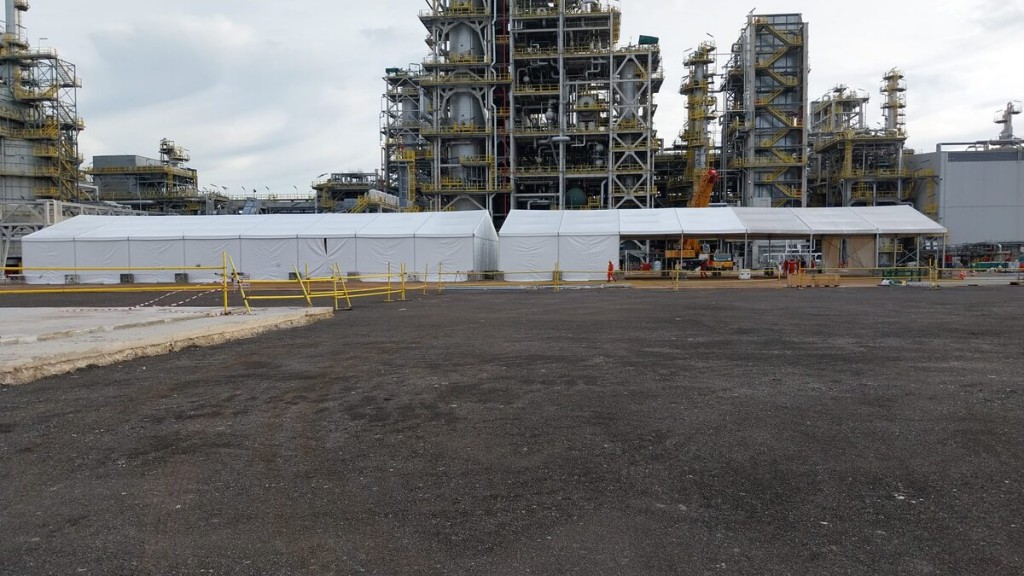
Tentage companies start preparing for the year-end rush months ahead — servicing inventory, hiring and training seasonal crew, and blocking out November-January bookings well before demand peaks. Company D&Ds, Christmas parties, and year-end weddings all compete for the same window, so suppliers who don’t plan ahead run out of capacity fast. Here’s what that preparation actually looks like from the inside.
What does year-end preparation involve for a tentage company?
- Inventory servicing. Frames, canopies, and furniture are checked, repaired, or replaced well before peak season to avoid mid-rush equipment failures.
- Crew hiring and training. Additional hands are brought on and trained alongside experienced crew, since demand can double or triple compared to quieter months.
- Booking calendar management. Suppliers block out realistic daily capacity limits early, rather than overbooking and scrambling later.
- Vehicle and logistics planning. More lorries and drivers are often needed to move equipment across multiple simultaneous setups each day.
- Weather contingency stock. Extra sidewalls and covered walkway sections are prepped, since November-January overlaps with the NE monsoon.
Why is November-January so much busier than other months?
| Event type | Why it clusters here |
|---|---|
| Company D&Ds | Most organisations hold year-end dinners in this window |
| Christmas and New Year parties | Seasonal timing, fixed calendar dates |
| December weddings | Popular for cooler evenings and school holiday timing |
| School and community year-end events | Academic calendar wraps up around this period |
This clustering means a handful of weekends in November and December carry a disproportionate share of the year’s total bookings, which is exactly why early booking matters so much during this window.
What happens if a tentage company doesn’t prepare properly?
The most common mistake we see from less-prepared suppliers is overbooking beyond realistic crew capacity, leading to delayed setups, rushed work, or last-minute cancellations that leave clients scrambling. A supplier without proper inventory servicing might also show up with worn or damaged equipment that wasn’t caught in time.
Weather contingency planning matters even more during this stretch, since a supplier without spare sidewalls or covered walkway sections on hand can’t respond quickly if a client needs rain protection added at short notice.
How does this affect clients booking during peak season?
Clients booking during November-January should expect less flexibility on dates, potentially higher pricing due to demand, and the importance of booking further ahead than they would during quieter months. Suppliers with solid preparation can still deliver reliably, but the margin for last-minute changes shrinks considerably.
FAQ
When do tentage companies typically start preparing for year-end demand?
Most start serious preparation 2-3 months ahead, around August-September, though booking calendars often start filling even earlier for popular dates.
Does pricing typically increase during peak season?
Some suppliers apply peak-season pricing due to higher demand and tighter crew capacity, so it’s worth confirming this upfront when requesting a quote.
Is it harder to get last-minute tentage during November-January?
Significantly harder than other months — most reliable suppliers are booked out weeks or months in advance for this period.
How do suppliers handle simultaneous bookings on the same day?
Through careful crew and vehicle scheduling, often running multiple setup teams in parallel across different sites on busy dates.
Should clients expect the same service quality during peak season?
Well-prepared suppliers maintain consistent quality year-round, which is exactly why the preparation described here matters so much.
What does this season feel like from the crew’s perspective?
Peak season is a stretch of long days and tight sequencing, moving from one setup straight into the next with barely enough time to service equipment between jobs. Crews who’ve been through several year-end rushes develop their own rhythm for it, but it still tests planning and stamina every year.
The most common thing crew leads mention is how much the November-January stretch relies on preparation done months earlier. A team that walks into peak season without serviced equipment, trained new hires, and a realistic booking calendar is set up to struggle no matter how experienced the core crew is.
Does demand ever exceed what suppliers can handle?
In peak weeks, yes — which is why realistic capacity limits matter more than chasing every booking that comes in. A supplier who takes on more than their crew and inventory can genuinely support ends up compromising quality across every client that week, not just the last one booked.
Your next step
If your event falls in the November-January window, book early. Learn more about how we prepare each year or see examples of our year-end work.
