
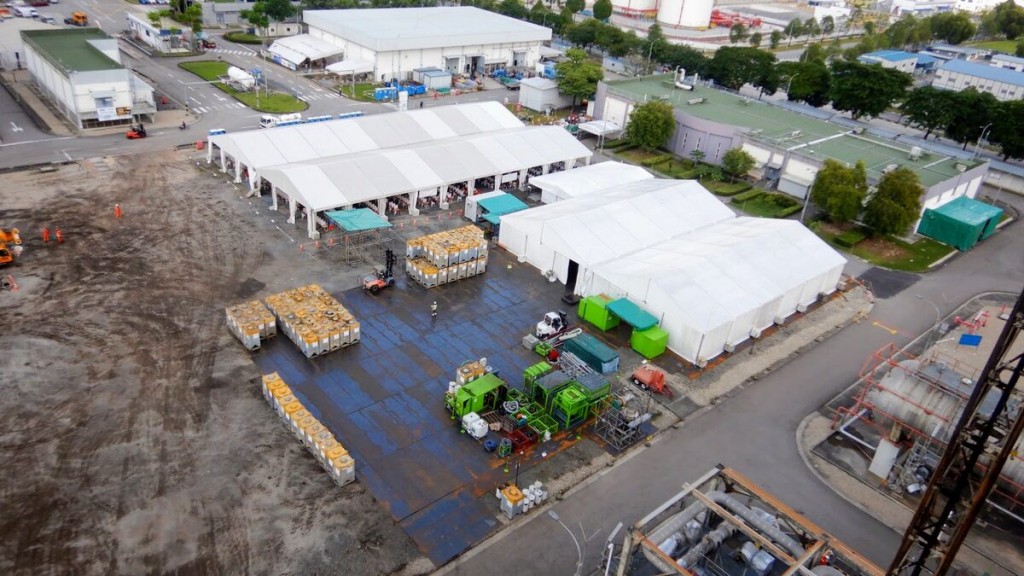
Setting up tentage on public land in Singapore means routing your permit through NParks for parks and green spaces, SLA for state land and vacant plots, or URA for short-term tenancy on land zoned for development. Each authority has different processing times and documentation requirements, so identifying the right one first saves weeks of delay.
When Does NParks Approve Your Tentage Application?
NParks governs public parks, park connectors, and green spaces under its management. Events on these grounds typically need a permit application submitted at least 4 to 6 weeks ahead, along with a site layout plan and public liability insurance certificate. Larger tentage exceeding the BCA exemption threshold also needs PE structural endorsement submitted alongside the NParks application.
The most common mistake we see is organisers assuming a park is “open space” and therefore permit-free. Every NParks-managed green space requires booking for structured events, even a modest wedding tentage on a quiet corner of a park.
When Do You Need SLA Approval Instead?
The Singapore Land Authority manages vacant state land not currently allocated to a specific agency. If your event site is an empty field or plot that does not fall under NParks, HDB, or URA’s active management, SLA is usually the relevant authority. SLA applications tend to run 4 to 6 weeks, similar to NParks, but documentation requirements can vary depending on the specific plot’s history and zoning.
When Does URA Get Involved?
URA governs land use planning and may require a short-term tenancy agreement for events on plots zoned for future development that are temporarily vacant. This route typically takes the longest to clear, often 4 to 8 weeks, and may involve additional conditions around site restoration after your event.
| Authority | Land Type | Typical Timeline | Key Requirement |
|---|---|---|---|
| NParks | Parks, park connectors, green spaces | 4-6 weeks | Site plan, insurance, PE endorsement if large |
| SLA | Vacant state land | 4-6 weeks | Site plan, insurance, land history check |
| URA | Land zoned for development, temporarily vacant | 4-8 weeks | Short-term tenancy agreement, restoration conditions |
How Do You Confirm Which Authority Governs Your Site?
If you are unsure which authority manages your intended venue, your tentage supplier can often help identify this based on the address, since experienced suppliers have submitted applications across all three routes before. When in doubt, a quick check with your town council or a direct enquiry to SLA’s land information service will point you to the correct authority.
Steps to Apply for Public Land Tentage Approval
- Identify which authority manages your intended site.
- Prepare a scaled site layout plan showing tentage placement.
- Arrange public liability insurance, typically SGD 1 million to SGD 5 million coverage.
- Submit your application with at least 4 to 6 weeks lead time.
- Confirm PE structural endorsement if your tentage exceeds the BCA exemption threshold.
- Review any site restoration conditions attached to your approval.
Frequently Asked Questions
How long before my event should I apply for public land approval?
Apply at least 6 weeks ahead, and closer to 8 weeks if URA short-term tenancy is involved, to allow buffer for requested amendments.
Can I use a public field without any approval for a small gathering?
No, structured events with tentage on public land require approval regardless of scale, since the land is managed by a specific authority even if it appears unused.
Does public liability insurance need to name the authority?
Many authorities require the insurance certificate to reference the specific event date and location; check your authority’s exact requirement before purchasing coverage.
What happens if my site restoration after the event is inadequate?
Authorities may withhold deposit refunds or affect future application approvals if the site is not restored to the agreed condition after your event.
Can my tentage supplier apply for the permit on my behalf?
Some suppliers assist with documentation like layout plans, but the application is usually submitted under the event organiser’s name and contact details.
Insurance and Liability for Public Land Events
Public liability insurance is not just a formality on these applications, it is often scrutinised closely since public land carries higher exposure than private property. Confirm your policy covers the specific event type, structure size, and expected pax count, and check whether your tentage supplier’s own insurance overlaps with or supplements your event coverage.
We have seen applications delayed because the submitted insurance certificate covered a lower pax count than the actual event plan. Match your documentation to your real numbers, not an earlier draft of your event plan.
Site Restoration: What Authorities Expect After Your Event
Public land approvals typically come with a site restoration condition, meaning the ground must be returned to its prior state, no ballast residue, no ground staking holes left unfilled, no litter. Ask your tentage supplier what their teardown process includes, since restoration standards vary and a supplier unfamiliar with public land conditions may leave gaps that affect your deposit or future applications.
Weather Considerations for Open Public Land Sites
Open fields and park spaces carry more wind exposure than sheltered void decks or courtyards, which affects anchoring method and, during Singapore’s NE monsoon season from November to January, increases the risk of a washed-out event. Discuss wet-weather contingency, covered walkways or backup indoor space, with your supplier as part of the planning conversation, not as an afterthought once rain is forecast.
Cost Considerations for Public Land Tentage Events
Beyond permit fees and insurance, public land events often need larger tentage footprints and stronger anchoring than sheltered sites, which can add SGD 500 to SGD 1,500 to your rental depending on exposure and structure size. Factor this into your budget alongside the permit processing timeline when planning a public land event.
Plan Your Public Land Event With the Right Approvals
Identifying the correct authority early saves weeks of back-and-forth later. Talk to us about tentage rental in Singapore and we will help confirm which authority governs your site and what documentation your application needs.
