
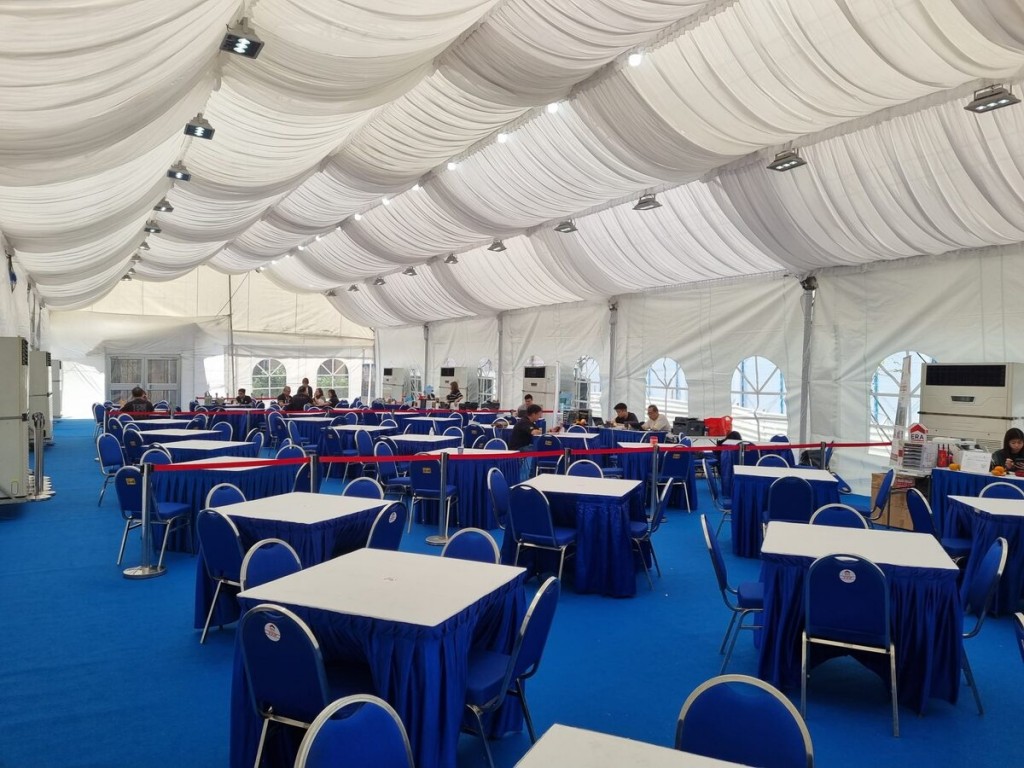
Extending a wake by a day is usually possible, but it needs to be confirmed with both the tentage company and the town council as early as possible, since it affects crew scheduling and void deck booking dates. This guide covers what’s involved and how to avoid delays if a family decides to extend.
Why Families Extend a Wake
The most common reason is overseas relatives arriving later than the original timeline allowed for. Other reasons include waiting for a specific auspicious date for the funeral procession, or simply the family needing more time before saying goodbye.
Steps to Extend a Wake
- Confirm with the funeral director first. They’ll know whether the extension affects other scheduled elements, such as the funeral procession or cremation slot.
- Check town council availability for the extra day. Void decks are shared community space, so an extension needs to be cleared, though this is usually straightforward if raised early.
- Call the tentage company to confirm crew and equipment availability. Extending a wake means the tent, chairs and equipment stay in place a day longer, which needs to be checked against the crew’s next booking.
- Confirm the adjusted price. Most providers charge a per-day rate for extensions, separate from the original package price.
What Affects Whether an Extension Is Possible
The tentage company’s next scheduled job is usually the biggest factor. During the seventh month or year-end period, when crews are often booked back-to-back across multiple sites, same-tent extensions can be harder to accommodate than during quieter periods.
Town council void deck bookings can also have queued requests from other residents, though this is less common than tentage scheduling conflicts. Raising the request as early as the family knows an extension is needed gives the best chance of a smooth approval.
Shortening a Wake
Shortening a wake by a day is more straightforward than extending one. Most tentage companies prorate or adjust the final bill if the wake ends early, though policies vary, so it’s worth asking about this at the time of the original booking rather than after the fact.
Frequently Asked Questions
Can a wake always be extended?
Usually yes, but it depends on tentage crew availability and town council scheduling. Raising the request as early as possible gives the best chance of approval without disruption.
Does extending a wake cost extra?
Yes, most providers charge a per-day rate for the extension, separate from the original package. Confirm this rate when you request the extension.
Who do I contact first to extend a wake?
Start with the funeral director, since they’ll know how the extension affects other scheduled elements like the procession or cremation slot, then confirm with the tentage company and town council.
What if the tentage company can’t accommodate an extension?
This is rare but can happen during peak periods. If it does, ask directly about their next availability or whether they can recommend a solution, such as a partial re-setup after their crew’s other commitment.
What Happens Physically When a Wake Is Extended
In most cases, nothing needs to be dismantled and rebuilt. The tent, seating and lighting simply stay in place for the additional day, and the crew returns on the new final day for teardown instead of the originally planned date. This is far simpler than families sometimes expect.
The one exception is if the site itself has a hard deadline, for example if the void deck is booked for another community use starting on the original teardown date. In that case, the crew may need to temporarily relocate the setup, which takes more coordination and should be flagged as early as possible.
Communicating the Change to Visitors
Once an extension is confirmed, it helps to update anyone who has already been informed of the original wake dates, particularly out-of-town relatives making travel plans around the funeral. This is a practical detail that’s easy to overlook amid everything else being coordinated during this period.
Weather Considerations for Extended Wakes
An extra day outdoors means an extra day of weather exposure, which matters more during the Nov-Jan monsoon season. If the extension falls during this period, it’s worth asking the crew to double-check sidewalls, drainage and anchoring rather than assuming the original setup will hold without a second look.
This is a small step, but it reflects the same principle that applies throughout a wake: checking details proactively, rather than reacting after something goes wrong, matters more here than at almost any other type of event.
Most families only extend a wake once in these circumstances, so it’s rarely something to plan around in detail beforehand. Knowing the process exists and is manageable is usually enough reassurance if the need arises.
Next Step
If you’re considering extending or shortening a wake, call as early as possible so we can confirm crew availability and adjust the arrangement. Reach us through our tentage rental services, or contact us directly to discuss your specific timeline.
