
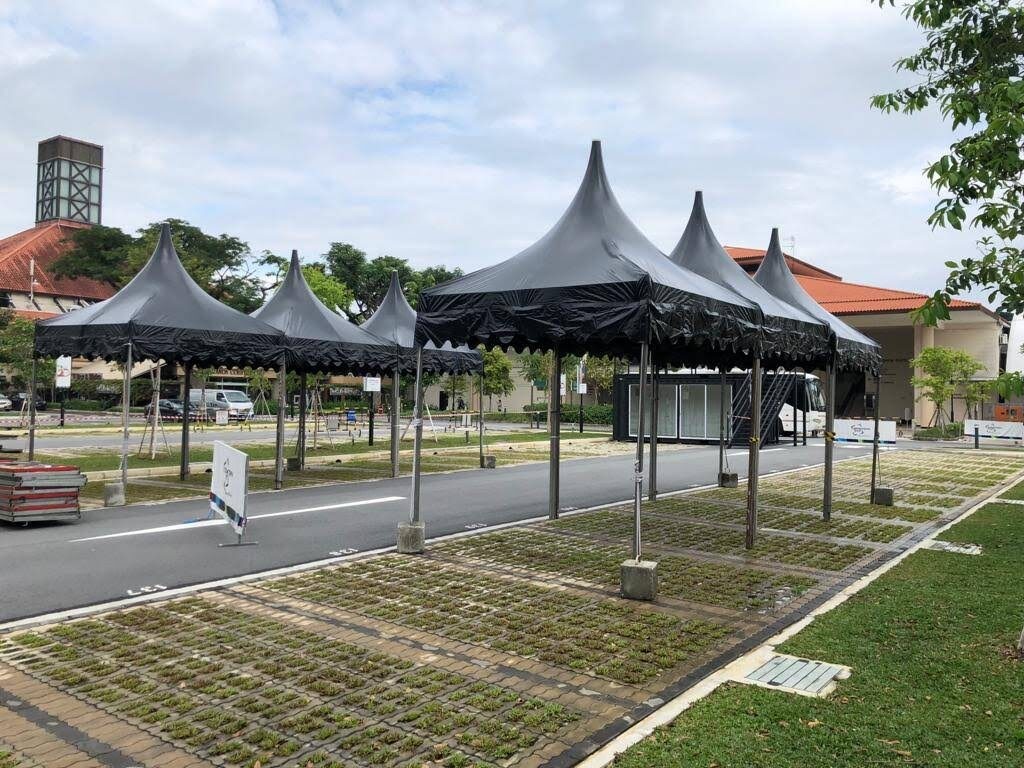
Arranging a void deck wake means booking the void deck space through the town council, arranging tentage and seating, and coordinating timing with the funeral director. Most families complete this within a few hours of a death, since the tentage and space booking both need to be confirmed before a wake can begin.
Step-by-Step: Arranging a Void Deck Wake
- Contact the funeral director first. They typically coordinate the overall timeline, including collection, embalming and the wake schedule, and often liaise with the town council on your behalf.
- Confirm void deck availability. Most town councils allow void deck wakes as a matter of course, but some blocks require advance notice or have specific time windows, especially near lift lobbies.
- Book tentage separately or through the funeral director. Some funeral packages include tentage; others require a direct booking with a tentage company. Confirm which applies before assuming it’s covered.
- Provide the void deck address and rough visitor numbers. This lets the tentage company size the tent correctly and schedule the right crew size for setup.
- Confirm setup timing with both parties. Tentage crews and funeral directors need to coordinate so the tent is ready before the casket arrives.
- Walk through the site on setup day. Confirm casket placement, seating direction and any ritual space needed before the crew finishes.
What Town Councils Typically Require
Most town councils allow void deck wakes without a formal permit application, treating it as an established community use, though notification is still expected. This is different from event tentage, which often needs advance booking through the town council’s facilities system (lianhupseng.com.sg/permits/).
Some blocks restrict wake tentage from blocking fire escape routes or lift lobby access, so the tentage crew needs to know the exact void deck layout before arriving. A quick photo of the space sent ahead of time speeds this up considerably.
How Long Setup Takes
A standard void deck wake tent takes roughly 1.5 to 2.5 hours to set up, depending on tent size and how many tables and chairs are needed. Most crews arrive with everything needed for same-day setup, since delays here directly affect a grieving family’s timeline.
The most common issue we see on setup day isn’t the tent itself, it’s uncertain casket or altar placement because the family hasn’t yet confirmed this with the funeral director. Having that decided before the crew arrives saves real time.
Frequently Asked Questions
Do I need town council permission for a void deck wake?
Most town councils allow void deck wakes as an accepted use without formal permit applications, though notification is expected. Requirements vary slightly by town council, so it’s worth a quick check if your block has unusual restrictions.
How quickly can a void deck wake tent be set up?
Most setups take 1.5 to 2.5 hours and can typically begin within hours of a confirmed booking. Same-day setup is standard practice for void deck wakes.
Does the funeral director arrange the tentage?
This varies by package. Some funeral directors include tentage as part of their service; others expect the family to book it separately, so it’s worth confirming early.
What if the void deck space is too small for the expected visitors?
A tentage company can usually extend seating into the adjacent open area or suggest a layout that maximises the available space. It’s worth mentioning expected visitor numbers upfront so this is planned for rather than adjusted on the day.
Coordinating Between the Family, Funeral Director and Tentage Crew
The three parties involved in a void deck wake don’t always communicate directly with each other, which can create gaps. A family member acting as the main point of contact for all three, even informally, tends to keep the day running smoother than leaving coordination to chance.
It helps to confirm one thing clearly: who is calling the tentage company. In some cases the funeral director does this as part of their package; in others, the family needs to call directly. Sorting this out in the first phone call avoids a same-day scramble.
Neighbours and Shared Void Deck Space
Void decks are shared community space, so it’s common courtesy, and sometimes a town council expectation, to inform immediate neighbours that a wake will occupy the space for several days. Most residents are understanding, but a heads-up avoids friction, especially if the void deck is also used for regular activities like exercise groups or children’s play.
Tentage crews experienced with void deck wakes will position tables and seating to leave a clear walking path where possible, balancing the family’s needs with the space remaining functional for the block.
If rain is forecast during the wake period, ask the crew to confirm sidewalls are ready to drop rather than assuming this is automatic. This small check prevents a scramble during a sudden downpour, which is common enough in Singapore that it should be part of the standard setup conversation, not an afterthought.
Next Step
If you’re arranging a void deck wake, the fastest path is a direct call with the block address, expected timing and rough visitor numbers. Our team handles void deck wake tentage regularly and can confirm setup through our tentage rental services, or reach out directly with any questions about your specific block or town council.
