
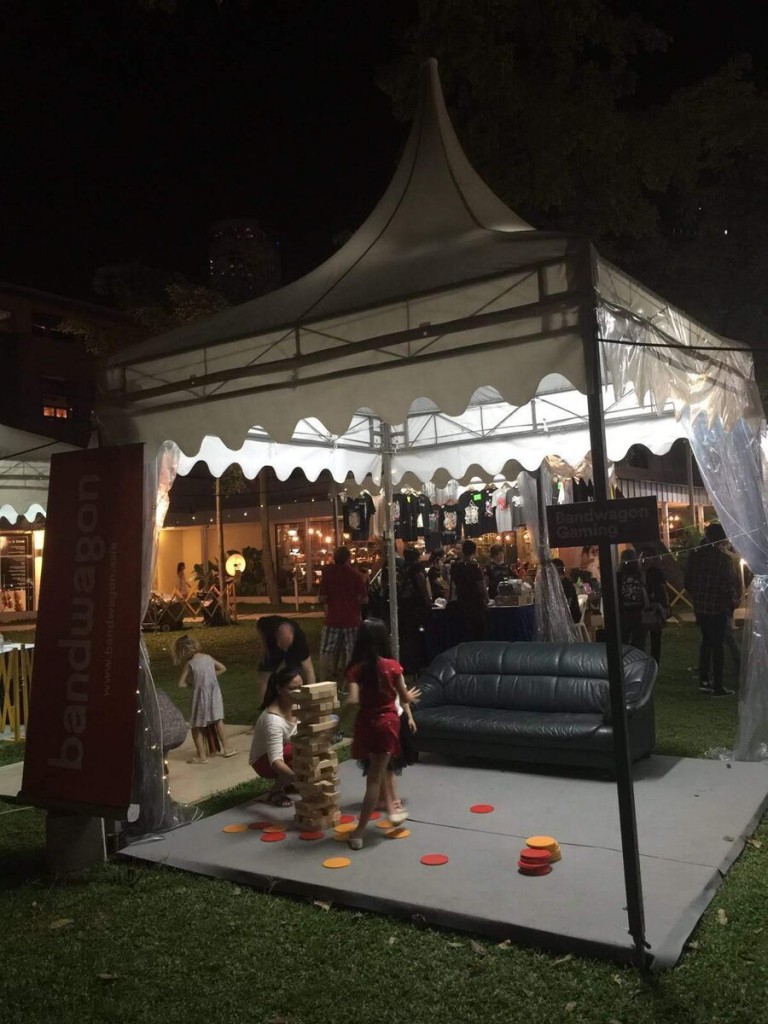
A tentage rental price breakdown usually splits into five parts: the tent structure itself, labour for setup and teardown, furniture and add-ons, delivery and logistics, and permit or site-specific costs. Understanding this breakdown is the fastest way to compare two quotes that look wildly different on the surface but are not actually quoting the same thing.
After 15 years of sending out quotes, the number one question we get is “why is this SGD 500 more than the other guy.” Nine times out of ten, the answer is in the line items, not the tent.
What’s Actually in a Tentage Rental Quote
Here is how a typical SGD 3,000 quote for a 150-pax tent breaks down in practice.
| Cost Component | Approx. Share of Total | Typical Range (SGD) |
|---|---|---|
| Tent structure and canopy | 40–50% | $1,200 – $1,500 |
| Setup and teardown labour | 20–25% | $600 – $750 |
| Lighting and basic electrical | 10–15% | $300 – $450 |
| Delivery and transport | 5–10% | $150 – $300 |
| Flooring or ground protection (if needed) | 5–15% | $150 – $450 |
| Permit facilitation (if applicable) | 0–5% | $0 – $150 |
Furniture, staging, generators, and aircon are typically quoted as separate add-ons rather than folded into the base tent price. For a full sense of what these items cost when added on top, see our complete tentage rental prices guide (lianhupseng.com.sg/tentage-rental-prices-in-singapore-complete-2026-guide/).
Why Setup Labour Costs More Than People Expect
A 12m x 24m tent for 300 pax is not a pop-up canopy. It typically needs a crew of 6 to 10 workers and 3 to 5 hours to erect, rig, and secure properly, plus another 2 to 3 hours for teardown. Labour is priced by crew size and hours, not a flat “setup fee,” which is why a bigger tent scales up in cost faster than people expect from size alone.
Site access changes this further. A void deck with flat, direct access is quick. An MSCP rooftop or a site with a narrow lorong entrance means the crew hand-carries frame components instead of trolleying them, which can add an hour or more to the job. That extra labour should show up as its own line item, not get quietly folded into a vague “setup” charge you cannot verify.
Delivery, Logistics, and Why Location Matters
Transport cost depends on distance from our depot and whether the vehicle can park close to the setup site. Central and easily accessible estates cost less to service than sites requiring a longer drive or complex parking arrangements, such as certain landed estates or industrial areas with restricted loading bays.
Permit and Site-Specific Costs
For public HDB spaces like void decks, you will usually need town council approval, which is typically a straightforward booking process rather than a direct cost to you. For larger public events, additional agency clearance may apply depending on the site and scale, and this can add processing time even if it does not always add a direct fee.
The most common mistake we see on setup day is a booking where the town council permit was never confirmed, and the crew arrives to find the void deck double-booked or the space smaller than expected because of an unrelated community event. Confirm your permit before locking in a setup date, not after.
What’s Often Missing From a “Cheap” Quote
A noticeably lower quote is not automatically a bad one, but it is worth checking what has been left out. Flooring, adequate lighting for evening events, and a realistic crew size for the tent’s actual footprint are the three items most commonly trimmed to hit a lower headline price. We go through the specific red flags to watch for in our guide to hidden costs in tentage rental quotes (lianhupseng.com.sg/hidden-costs-tentage-rental-quotes/).
How to Read a Tentage Quote Properly
- Check the tent dimensions match your actual pax count, not a rounded-down estimate.
- Confirm crew size and setup hours are stated, not just a lump “labour” line.
- Ask if flooring and lighting are included or billed separately based on your site.
- Clarify who handles the permit — you or the vendor — and by when.
- Get delivery and teardown timing in writing, especially for shared spaces like void decks.
Frequently Asked Questions
What is usually the most expensive part of a tentage rental?
The tent structure and canopy itself typically makes up 40 to 50 percent of the total cost, with setup labour as the second largest component at roughly 20 to 25 percent.
Why do two similar tentage quotes differ by hundreds of dollars?
Usually because one includes flooring, adequate lighting, or a larger crew for faster setup, while the other has trimmed these to offer a lower headline number. Always compare itemised quotes, not just the bottom line.
Is delivery included in a tentage rental quote?
Sometimes, but not always. Delivery cost depends on distance and site access, and some vendors quote it separately. Always confirm this before comparing prices across vendors.
Does a tentage rental price include permits?
Rarely as a direct cost, since most public bookings go through your town council at no vendor fee. However, permit facilitation and processing time can still affect your overall timeline and occasionally add a small administrative cost.
Why does site access affect the price?
Difficult access, such as MSCP rooftops or narrow lorong entrances, means the setup crew cannot use trolleys efficiently and needs more time and manpower, which increases the labour portion of your quote.
Seasonal and Timing Surcharges to Watch For
A tentage rental price breakdown can shift depending on when your event falls. During peak wedding and D&D season, September to December, high demand can mean less room to negotiate on labour rates simply because crew schedules are tight. During NE monsoon season, November to January, we typically add reinforced anchoring and wind-rated rigging, which shows up as a small additional line rather than being hidden inside the base tent price.
Weekend bookings, particularly Saturday events, sometimes carry a modest premium over weekday bookings purely due to crew demand. If your event has some date flexibility, asking about weekday rates is a reasonable way to trim the total without cutting anything from the actual setup.
Get an Itemised Tentage Quote
Once you know what should be in a tentage rental quote, comparing vendors becomes far easier. Ask us for our tentage rental packages with a full breakdown of every line item, so you know exactly what you are paying for.
